Artificial intelligence is reshaping the mechanics of the job search. Understanding where these tools genuinely help—and where they reach their limits—can make the difference between an efficient search and a frustrating one.
AI is now embedded in many aspects of modern job searching. The question is no longer whether to use it, but how to use it effectively.
Used thoughtfully, AI can improve efficiency, sharpen messaging, and strengthen preparation. Used carelessly, it can produce generic materials and create a false sense of optimization. The key is knowing where technology adds value—and where human judgment still matters.
Resume Alignment Tools
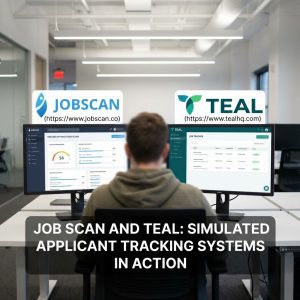
Platforms such as Jobscan (https://www.jobscan.co) and Teal (https://www.tealhq.com) function much like simulated applicant tracking systems. They allow job seekers to compare their resume against a job description and evaluate how closely the language aligns before submitting an application.
I have used both tools personally and recommended them to clients. While each platform approaches the process differently, both help candidates tailor their materials more precisely to the roles they pursue.
These tools work best as analytical aids rather than writing machines. They highlight alignment gaps and suggest adjustments, but the thinking, positioning, and storytelling still come from the candidate.
Jobscan
Jobscan (https://www.jobscan.co) takes a straightforward approach. You upload your resume, paste the job description into the platform, and receive an alignment score along with suggestions for improving keyword and skills alignment.
The platform also supports cover letter generation, LinkedIn profile optimization, and job search tracking so candidates can manage multiple parts of the application process in one place.
Jobscan offers a free tier that includes five resume scans per month, allowing job seekers to experiment with the system and use it selectively for priority roles.
Teal
Teal (https://www.tealhq.com) approaches the process differently by combining resume building, keyword alignment, cover letter generation, and job tracking within a single platform.
Rather than focusing only on document scanning, Teal functions as a broader job search management system. Users can create multiple resume versions, track applications, store job postings, and generate supporting materials from within the same environment.
Teal offers a free plan that includes unlimited resumes, job tracking tools, and basic keyword analysis, along with a premium tier that expands optimization features and AI-generated content capabilities.
Choosing the Right Tool
Different professionals prefer different workflows.
Some candidates prefer reviewing their resume as a complete document and adjusting language holistically. Others prefer working within a structured system that manages multiple resume versions and tracks applications simultaneously.
Both Jobscan and Teal offer subscription options that work out to roughly one dollar per day, depending on the plan selected.
Viewed that way, tools that help you align your resume more precisely with a job description can be a wise investment, particularly if the applicant tracking system process feels uncertain or difficult to navigate.
If a platform helps you customize more effectively, improve keyword alignment, and move through your search with greater confidence, the potential payoff is straightforward: getting to the right job faster.
The most effective tool is simply the one that supports your working style and helps you maintain a disciplined customization process.
Why Alignment Scoring Matters
One of the most valuable features these platforms provide is alignment scoring, which compares the language used in a resume with the language used in a job description.
Initial scans often show alignment scores in the 35–40 percent range, which is completely normal. When a role genuinely fits a candidate’s background and the platform’s recommendations are followed, those scores can often rise into the 75–90 percent range.
Alignment scoring does not guarantee interviews. What it does provide is measurable evidence of alignment.
That transparency is very different from simply asking a general AI tool to “optimize a resume” and trusting the result. Alignment tools allow candidates to see where gaps exist and make deliberate adjustments rather than guessing.
Using AI for Interview Practice
 General-purpose AI tools such as Gemini (https://gemini.google.com) can also help candidates rehearse interview responses.
For example, candidates can ask the system to simulate an interview and provide feedback on clarity and structure.
A prompt such as the following can initiate a useful practice session:
Act as an interviewer for a senior project management role. Ask one question at a time and provide feedback on clarity and structure.
Or:
Conduct a behavioral interview using the CAR framework—Challenge, Action, Result—and identify gaps in my responses.
Used this way, AI can help job seekers refine how they articulate experience and organize their responses.
Structured Interview Practice Platforms
Some platforms provide more formal interview preparation environments. Tools such as Big Interview (https://www.biginterview.com) and Interviewing.io (https://interviewing.io) offer guided interview practice and simulated interview sessions.
Because features and pricing evolve, it is always best to review the current offerings directly on each platform’s website.
Where AI Tools Reach Their Limits
While AI tools can optimize many aspects of the job search process, they are not substitutes for human judgment.
Technology can evaluate language patterns, keyword alignment, and structural clarity. What it cannot reliably measure are qualities such as presence, professional judgment, emotional intelligence, and the ability to build rapport during a conversation.
 Hiring decisions are still made by people.
AI can strengthen preparation.
It can help organize materials.
It can support rehearsal.
But credibility, confidence, and connection are demonstrated in real conversations.
Final Thoughts
Artificial intelligence can bring structure and efficiency to the job search process. Tools that help analyze job descriptions, improve keyword alignment, and support interview preparation can make the process more disciplined and productive.
But technology alone does not create compelling career narratives. The most successful job searches still depend on clarity about your value, thoughtful positioning, and the ability to communicate that value with confidence.
AI can support the process.
Preparation—and the strategy behind it—is what ultimately moves a job search forward.
Schedule a Free and No ObligationDiscovery Session
If you are ready to bring greater strategy and structure to your job search, schedule a Discovery Session so we can discuss your goals and determine the most effective approach for your next move.



0 Comments